
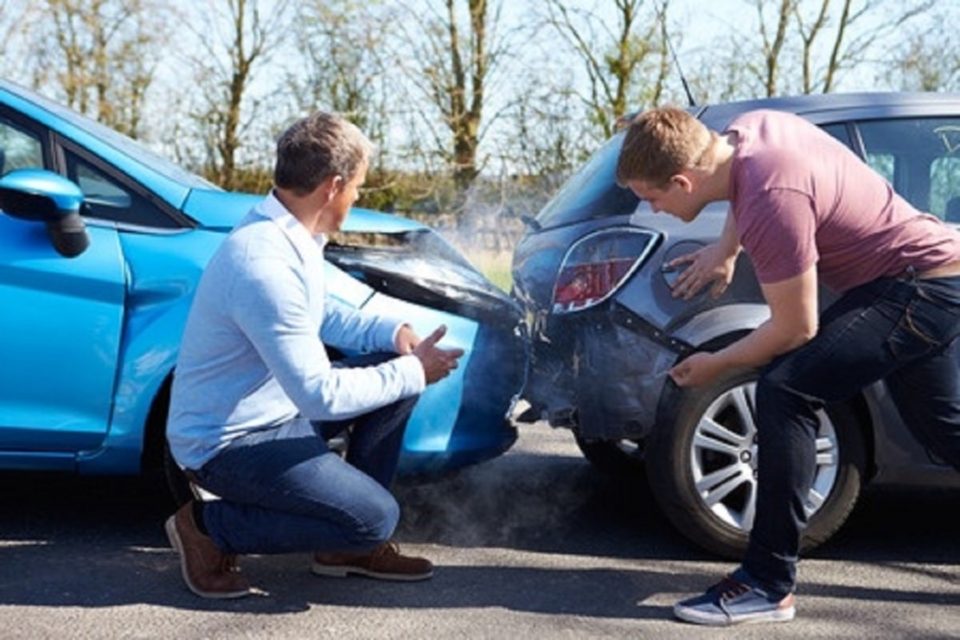
Staged Car Accidents are a form of insurance fraud that can have serious financial and legal consequences for drivers, insurers, and the broader public. Although the term may sound self-explanatory, the methods used and the risks involved are often misunderstood—especially by people without a legal or insurance background. This article provides a clear, structured explanation of staged car accidents, how they occur, and why they matter.
What Are Staged Car Accidents?
Staged Car Accidents refer to collisions that are deliberately caused or falsely reported in order to file fraudulent insurance claims. These incidents are not random; they are planned in advance, often involving multiple participants who play specific roles, such as drivers, passengers, and sometimes even dishonest medical providers.
The primary goal is usually financial gain through auto insurance payouts, personal injury claims, or both. Because insurance systems are designed to respond quickly to accident claims, they can be vulnerable to abuse when fraudulent activity is carefully coordinated.
How Staged Accidents Are Planned and Executed
Common Methods Used
There are several well-documented techniques used in staged car accidents. One of the most common is known as the “swoop and squat.” In this scenario, one vehicle abruptly stops in front of an unsuspecting driver, while another vehicle blocks the victim from changing lanes. The sudden stop causes a rear-end collision, which is then blamed on the innocent driver.
Another method involves “drive down” accidents, where a fraudster waves another driver into traffic and then deliberately causes a crash, later denying that they gave permission. In more extreme cases, collisions are entirely fabricated, with no real accident occurring at all.
Role of Participants
These schemes often involve multiple people. Passengers may exaggerate or invent injuries, while others may submit false repair estimates or medical bills. In some cases, organized fraud rings operate across multiple incidents, repeating the process to generate ongoing payouts.
Why Staged Car Accidents Are a Serious Problem
Impact on Insurance Costs
Insurance fraud, including staged car accidents, contributes to higher premiums for all drivers. When insurers pay out fraudulent claims, those costs are often passed on to consumers in the form of increased insurance rates.
Legal and Criminal Consequences
Participating in or knowingly benefiting from a staged accident can lead to severe legal penalties. These may include criminal charges for fraud, fines, restitution, and even imprisonment. Even drivers who are unknowingly involved can face significant stress and legal complexity while proving their innocence.
Recognizing Warning Signs of a Staged Accident
While it is not always possible to identify a staged accident in the moment, certain red flags are commonly associated with these schemes:
- Multiple passengers in the other vehicle who immediately claim injury
- A vehicle that brakes suddenly for no clear reason
- Drivers insisting on using a specific repair shop or medical clinic
- Witnesses who appear unexpectedly and strongly support the other party’s version of events
Understanding these indicators can help drivers provide more accurate information to law enforcement and insurers after an incident.
Legal Perspective: How Authorities Address Staged Accidents
From a legal standpoint, staged car accidents fall under insurance fraud, which is treated seriously in most jurisdictions. Investigators may rely on accident reconstruction, surveillance footage, medical record reviews, and data analysis to detect patterns of fraudulent behavior.
For a general educational explanation of how insurers and investigators approach this issue, resources from organizations such as the National Insurance Crime Bureau can be helpful. Their materials on insurance fraud and accident staging provide additional context for those interested in understanding staged car accidents.
What to Do If You Suspect a Staged Accident
If you believe you may have been involved in a staged accident, it is important to remain calm and follow standard post-accident procedures. Contact law enforcement, document the scene thoroughly, and notify your insurance provider promptly. Avoid admitting fault or speculating about motives at the scene.
From a legal education standpoint, knowing that suspicion alone does not imply guilt is important. Investigations are designed to assess facts objectively, and accurate reporting can protect innocent drivers from unfounded liability.
Key Takeaways
Staged Car Accidents are deliberate acts of insurance fraud that can affect anyone on the road. They are often carefully planned, involve multiple participants, and can lead to serious legal and financial consequences. By understanding how these schemes work, recognizing common warning signs, and appreciating their broader impact, drivers can better navigate the risks associated with modern road use.
A clear, informed perspective helps demystify the issue and underscores why staged accidents are not just isolated incidents, but a systemic problem with real-world implications for individuals and society alike.
