
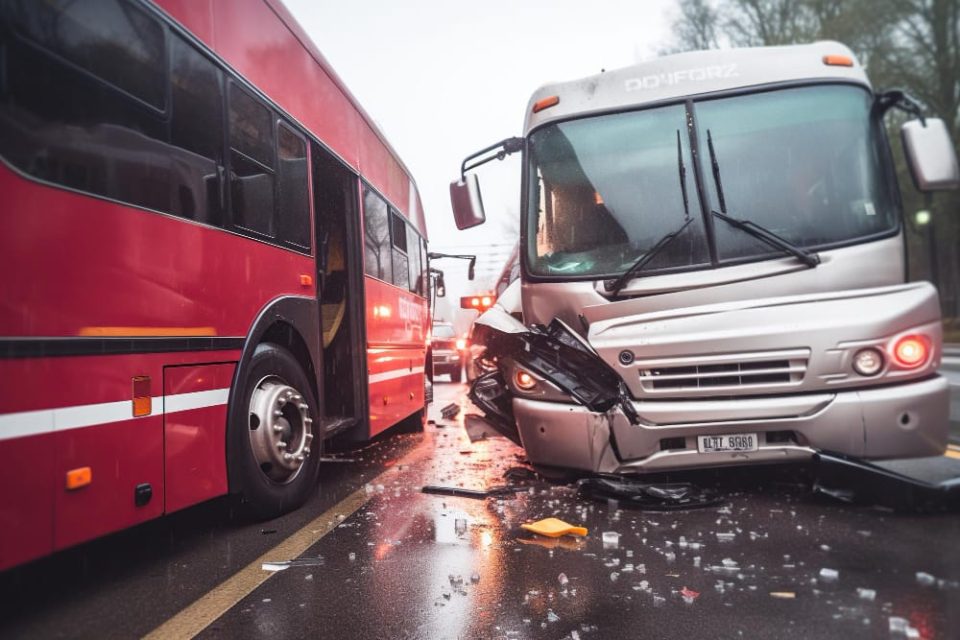
When a bus crash happens in Spring Valley, the aftermath can feel chaotic, sirens, statements, and a thousand unanswered questions. People want clarity fast: Who’s responsible? How do medical bills get covered? What if the driver worked for a subcontractor? This guide breaks down how Spring Valley bus accidents are investigated and resolved, what evidence actually moves a claim, and how passengers can protect their rights under Nevada law. It also looks ahead at safety improvements shaping 2025 policy across Clark County. For those skimming for next steps, Tap here isn’t a magic link, it’s a reminder to take action early, while critical evidence is still preserved.
Common causes of municipal and private bus collisions in Clark County
Buses move thousands of people through Spring Valley every day, on Flamingo, Rainbow, Tropicana, the 215, and into the Strip corridor. With size and schedules come risk. The most frequent catalysts behind municipal and private bus crashes in Clark County include:
- Left turns and sweeping blind spots: Wide A-pillars, elevated seating, and mirror placement can conceal pedestrians or cyclists during left turns at busy intersections.
- Stop-and-go conflicts: Riders stepping off at curb lanes, motorists darting around stopped buses, and right-hook turns near bike lanes combine into a messy cocktail in urban corridors.
- Speed and spacing: A fully loaded bus needs far more distance to stop. Following too closely, especially downhill or during sudden tourist-area slowdowns, leads to rear-end impacts.
- Fatigue and schedule pressure: Split shifts, early starts, and tight turnarounds can erode alertness, particularly for subcontracted operators running long blocks.
- Maintenance lapses: Worn brakes, tire blowouts in summer heat, malfunctioning lights, and misaligned cameras are recurring factors in private and contract fleets when preventive maintenance slips.
- Weather and lighting: Monsoon bursts, glare at dusk on east–west corridors, and slick oil residue after first rainfall each season raise crash risk.
- Aggressive or distracted third-party drivers: Many bus incidents are triggered by passenger cars cutting in, hard braking, or phone distraction, not the bus driver’s actions.
These causes show up differently by fleet. Municipal transit buses carry interior and exterior cameras and have standardized training. Private tour and charter buses sometimes operate with different maintenance cadence, route familiarity, and driver supervision. School buses introduce their own exposure, frequent stops, child pedestrians, and peak-hour traffic.
Bottom line: identifying the “how” of Spring Valley Bus Accidents starts with these patterns, then drills into the specific operator’s policies, records, and tech footprint.
Determining liability between transit agencies and subcontracted operators
Liability analysis often decides the outcome more than anything else. In Clark County, service may be delivered by a public transit agency through private contractors (think large national operators) or by independent charter and tour companies. Who pays, and how much, depends on several layers:
- Vicarious liability and agency: If a contractor is operating under a transit agency’s control (routes, schedules, branding), the agency may share liability for the driver’s negligence under agency principles. Contract language matters but isn’t the end of the story, actual control of day-to-day operations is key.
- Independent contractor status: Some contracts aim to distance the agency from operator mistakes. Courts look past labels to facts: who trained the driver, who maintains the fleet, who sets safety policy.
- Negligent hiring, training, and supervision: If a bus operator put an underqualified or over-fatigued driver on the road, or failed to train on left-turn pedestrian conflicts, that’s direct negligence, separate from the driver’s mistakes.
- Maintenance responsibility: Brakes, tires, cameras, and telematics are often maintained by the contractor. Poor records or skipped inspections point to the entity that actually controlled the upkeep.
- Third-party fault: Many crashes involve cut-offs or signal violations by another motorist, or dangerous construction setups. Liability can be split across multiple defendants.
- Damages limits and immunities: Claims against public entities in Nevada come with special rules, potential damages caps, and a bar on punitive damages. The details can change, and procedures differ from claims against private companies, so deadlines and damages analyses should be verified against current Nevada law before filing.
Practically, liability gets sorted by digging into the contract between the agency and the operator, insurance layers, and real-world control. Early letters demanding preservation of video, telematics, and driver files are crucial, particularly in Spring Valley Bus Accidents where subcontracted operators may rotate equipment and routes quickly.
Evidence-gathering protocols for large-passenger accident investigations
The evidence that wins bus cases is rarely the police report alone. It’s the mosaic, video, logs, maintenance, biomechanics, assembled with speed and discipline. A strong protocol for a multi-passenger crash in Clark County typically includes:
- Immediate preservation: Send spoliation letters within days to the transit agency or contractor demanding retention of onboard DVR footage (interior and exterior), CAD/AVL data, driver reports, dispatch audio, and radio traffic. Many systems overwrite video within 7–30 days.
- Telematics and EDR: Modern buses carry telematics showing speed, throttle, brake application, acceleration, and door cycles. Engine control modules may record hard-brake events. Request raw data and decoder info.
- Camera ecosystem: Beyond the bus, pull traffic-signal cameras, nearby business CCTV, rideshare dashcams, and hotel or casino exteriors along the corridor. Act fast: private systems loop quickly.
- Driver records: Hours-of-service logs or equivalent duty rosters, route assignments, pre-trip and post-trip inspection reports, training files, and any post-incident drug/alcohol testing conducted under applicable rules.
- Maintenance chain: Work orders, brake thickness measurements, tire replacement intervals, and repair sign-offs. Look for gaps around the incident date.
- Passenger and witness accounts: Onboard riders often scatter. Use incident cards, 911 records, and media calls to locate witnesses. Short, time-stamped statements beat hazy recollections months later.
- Scene and vehicle inspections: Measure sight lines, crosswalk geometry, bus stop placement, and turn radii. Photograph mirror positions and any camera obstructions. If feasible, retain a reconstructionist to map impact dynamics.
- Medical documentation: Encourage prompt care and consistent follow-up. For spine, shoulder, and mild traumatic brain injury patterns common in bus crashes, specialist notes and imaging timelines matter.
Chain-of-custody discipline is non-negotiable. Label files, preserve metadata, and maintain a clean log of who handled what. In Spring Valley Bus Accidents with multiple claimants, coordination avoids duplicated subpoenas and lost time.
Compensation eligibility for physical injuries and emotional distress
Passengers are often blameless. Nevada law generally allows recovery for economic losses (medical bills, future care, lost wages) and non-economic damages (pain, suffering, loss of enjoyment, and emotional distress) when another party’s negligence caused the harm.
Key issues that affect compensation in Spring Valley Bus Accidents include:
- Comparative negligence: Nevada follows a modified comparative negligence rule. An injured person can recover so long as they are not more at fault than the defendants combined: their award is reduced by their percentage of fault.
- Emotional distress: PTSD, anxiety in traffic, sleep disruption, and hypervigilance are common after high-impact events. Treatment records from licensed professionals help document these claims. Nevada recognizes negligent infliction of emotional distress in defined circumstances and allows general damages for distress tied to physical injury.
- Medical damages: Track billed charges and paid amounts. Future care, for surgery, injections, therapy, or counseling, should be supported with physician opinions.
- Wage loss and earning capacity: Document missed work with employer letters and pay stubs: for long-term effects, vocational assessments can support diminished capacity.
- Wrongful death and serious injury: Families may pursue claims for loss of support and companionship where applicable under Nevada statutes.
- Insurance layers: Public agencies and contractors carry liability policies: private tour operators may have higher limits. Passengers may also have access to their own MedPay or UM/UIM benefits depending on policy terms.
- Deadlines and procedural rules: Personal-injury claims in Nevada generally have a two-year statute of limitations, with special procedures and limitations for claims against governmental entities. It’s crucial to confirm current rules, caps, and filing requirements before time runs.
Documentation is the spine of a claim. Keep every receipt, treatment note, and photo. And yes, if someone needs a quick nudge to get moving, Tap here is shorthand for: contact a qualified attorney early, not six months from now when video is gone.
